The Growing UAE Data Centers Market
The UAE has rapidly positioned itself as a regional hub for digital infrastructure, with cities like Dubai and Abu Dhabi leading the charge. Between 2023 and 2025, the country has witnessed exponential growth in data center construction and modernization, driven by booming cloud adoption, fintech growth, e-commerce expansion, and government smart initiatives. Dubai, for instance, has transformed into a digital ecosystem powerhouse, where enterprises, startups, and multinational companies rely on ultra-reliable server infrastructure to manage mission-critical data.
This growth is not just about constructing large buildings—it’s about creating highly resilient, technologically advanced facilities capable of supporting 24/7 operations. With this increased dependency on digital infrastructure, data centers must prioritize server reliability, uptime, and redundancy. Every piece of hardware inside these facilities—from processors to power supplies—must meet stringent performance standards to avoid costly downtime. In Dubai’s financial sector, a few minutes of downtime could result in thousands of dollars in losses, while in healthcare, it could mean delays in critical patient services.
Moreover, the UAE government’s push toward cloud-first strategies and AI-powered city services has further amplified the need for robust data centers. Free zones such as Dubai Internet City and Abu Dhabi’s Hub71 have become magnets for global tech companies, creating a competitive environment that emphasizes cutting-edge hardware adoption. These facilities are not just storage hubs—they’re digital nerve centers powering an entire economy.
With such high stakes, it’s no surprise that UAE data centers are extremely selective when choosing server parts. From processors and RAM to storage drives and networking components, every element must guarantee performance, scalability, and reliability. For businesses aiming to maintain a competitive edge, understanding which server components these data centers trust is crucial.
Importance of High-Quality Server Parts
High-quality server components are the backbone of any data center’s operational excellence. Data centers rely on servers running continuously, often under heavy workloads, and even minor hardware failures can cascade into serious operational disruptions. That’s why UAE facilities invest heavily in genuine OEM server parts from leading brands like Cisco, Dell, and HP.
Why is quality so critical? Imagine a high-traffic e-commerce platform during peak shopping season. A failing storage drive or unstable memory module could crash the system, resulting in lost sales and customer trust. Similarly, network cards and power supplies must handle massive data throughput without overheating or lag. For UAE data centers, performance, efficiency, and longevity aren’t optional—they’re mission-critical.
Additionally, using genuine parts provides manufacturer-backed warranties and support, which is invaluable in a region where businesses operate across multiple time zones and demand rapid response times. Certified components also ensure compatibility with existing server ecosystems, reducing the risk of integration issues.
Another reason for choosing premium components is scalability. As UAE companies expand, servers must adapt quickly. Original components allow for easy upgrades—be it adding memory modules, expanding storage, or enhancing network bandwidth—without jeopardizing system integrity.
In essence, high-quality server parts aren’t just hardware—they’re strategic investments. They ensure uptime, improve energy efficiency, support scalability, and ultimately enable UAE data centers to deliver the reliable digital services that businesses and governments increasingly depend upon.
Overview of Leading UAE Data Centers
Dubai Internet City Data Hubs
Dubai Internet City (DIC) has emerged as one of the most prominent tech and data center hubs in the UAE. Hosting hundreds of multinational and regional companies, DIC offers world-class facilities designed for maximum reliability and uptime. These data centers cater to industries ranging from fintech and telecommunications to cloud service providers and e-commerce platforms.
One of the standout features of DIC data centers is their focus on redundancy and resilience. Many of these facilities are Tier III or Tier IV certified, which means they can sustain planned maintenance or unexpected failures without affecting overall operations. To achieve this, DIC data centers deploy high-end servers from Dell, HP, and Cisco, coupled with genuine OEM components like advanced memory modules, SSD storage, and enterprise-grade networking cards.
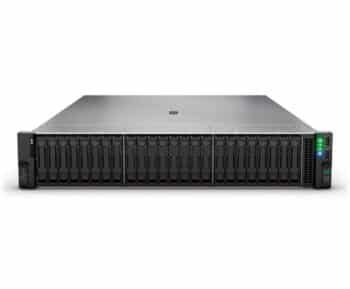
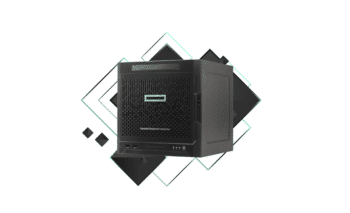
Moreover, DIC facilities emphasize energy efficiency and cooling innovations, given Dubai’s hot climate. Components like high-efficiency power supplies, redundant cooling systems, and intelligent server management tools help reduce operational costs while maintaining peak performance. For instance, HPE ProLiant and Dell PowerEdge servers are configured with redundant PSUs and smart cooling solutions to prevent thermal throttling and downtime.
These data centers also prioritize connectivity. They utilize high-speed network switches, optical fibers, and Cisco networking gear to guarantee minimal latency and high throughput for critical applications. Businesses in Dubai heavily rely on these facilities for cloud hosting, data storage, and disaster recovery, making the quality of server parts a top priority.
Preferred Server Brands in UAE Data Centers
Cisco Servers and Networking Equipment
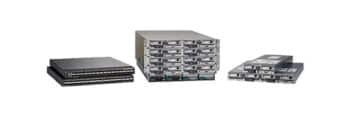
Cisco remains a top choice for networking and server infrastructure across UAE data centers. Known for its UCS (Unified Computing System) servers, Cisco offers unmatched reliability, integrated management tools, and high-speed networking capabilities. Components like Cisco NICs, RAID controllers, and high-performance processors are widely deployed to ensure smooth, uninterrupted operations.
UAE data centers value Cisco for its compatibility with large-scale virtualization and cloud deployments. With built-in management tools like Cisco UCS Manager, IT teams can remotely monitor and optimize performance, reducing maintenance overhead.
Dell PowerEdge Servers , UAE Data Centers
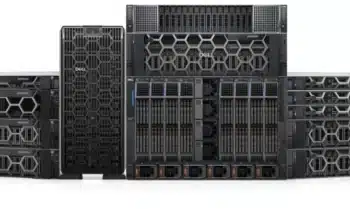
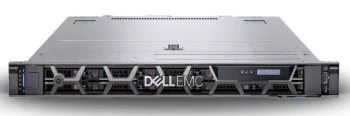
Dell PowerEdge servers are another cornerstone in UAE facilities. They are chosen for their scalability, reliability, and energy efficiency. Dell’s modular architecture allows data centers to upgrade memory, storage, and processors seamlessly. Genuine Dell OEM parts such as memory modules, SSDs, NICs, and RAID controllers are preferred for their proven durability and compatibility with enterprise workloads.
Many financial and government institutions in Dubai and Abu Dhabi rely on PowerEdge servers to handle mission-critical applications, from analytics to cloud hosting. Their combination of performance and long-term reliability makes them a trusted choice.
HP ProLiant Servers
HP ProLiant servers are particularly favored for hybrid cloud deployments and AI workloads. UAE data centers utilize HP ProLiant servers with high-density memory, SSD storage, and redundant power modules, ensuring minimal downtime. HP’s iLO management platform allows centralized monitoring, which is invaluable for multi-location operations in Dubai, Abu Dhabi, and Sharjah.
HP ProLiant servers are often chosen when high scalability and energy efficiency are priorities, making them suitable for both private and public sector applications in the UAE.
Key Server Components Trusted by UAE Data Centers
Processors and Memory Modules
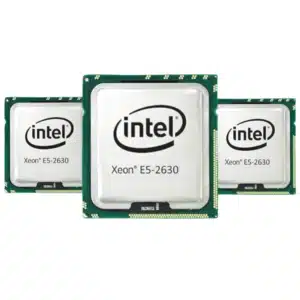
At the heart of every high-performing server in UAE data centers are processors and memory modules. Data centers in Dubai, Abu Dhabi, and Sharjah rely on Intel Xeon and AMD EPYC processors for their superior multi-core performance and energy efficiency. These processors handle massive workloads—from AI inference to real-time financial transactions—without slowing down.
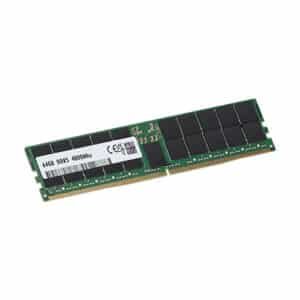
Memory modules, particularly DDR4 and DDR5 ECC RAM, are critical for stability and multitasking. ECC (Error-Correcting Code) memory is a must-have for data centers because it detects and corrects errors in real time, reducing the risk of system crashes. UAE facilities often deploy high-density memory configurations, allowing servers to process multiple virtual machines simultaneously. This ensures smooth cloud operations, virtualization, and AI workloads, which are increasingly prevalent in 2025.
Processors and memory modules are chosen not just for speed but also for thermal efficiency. In the UAE’s hot climate, components that run cooler and consume less power are vital. Data centers often combine high-performance CPUs with intelligent cooling solutions to maximize uptime and efficiency.
Storage Solutions (HDDs and SSDs)
Storage is another cornerstone of data center operations. UAE facilities typically employ a hybrid approach, using high-capacity HDDs for archival storage and SSDs for mission-critical workloads. SSDs dramatically reduce latency, enabling rapid read/write access for applications such as financial trading platforms, AI models, and real-time analytics.
RAID configurations are standard, ensuring data redundancy and fault tolerance. For example, RAID 10 or RAID 6 setups provide both speed and reliability, safeguarding against drive failures. Storage vendors like Dell, HP, and Cisco supply genuine drives, which are preferred for their proven compatibility and long-term performance.
Data centers also prioritize storage scalability. Modular storage arrays allow UAE facilities to expand capacity seamlessly as data volumes increase, supporting the region’s growing cloud adoption and AI initiatives.
Networking Components and NICs
Networking is the backbone of any data center. High-speed Network Interface Cards (NICs) and switches from Cisco, Dell, and HP ensure seamless communication between servers and external networks. UAE data centers prioritize redundant networking paths, high bandwidth, and low latency to handle heavy data flows, including cloud computing, video streaming, and enterprise applications.
Advanced NICs also support features like virtualization, load balancing, and traffic shaping, which are crucial for maintaining high uptime and optimal performance. Cisco’s UCS networking components are particularly favored for their integrated management and reliability in large-scale deployments.
Power Supplies and Cooling Systems
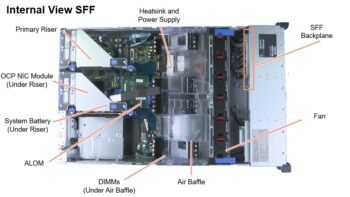
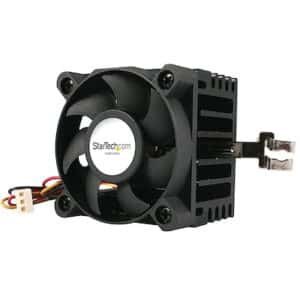
Reliable power supplies and cooling systems are non-negotiable in UAE data centers. Redundant power supply units (PSUs) prevent outages, while intelligent cooling systems protect servers from overheating in the region’s high ambient temperatures. Data centers often implement hot-aisle and cold-aisle containment strategies, paired with high-efficiency fans and liquid cooling solutions for high-density racks.
Power management and cooling optimization not only protect hardware but also reduce energy costs, which is a significant consideration for large-scale facilities in Dubai and Abu Dhabi. By investing in OEM PSUs and cooling modules, data centers ensure consistent uptime and long-term component health.
How UAE Data Centers Ensure Reliability
Redundancy and Failover Systems
Reliability is paramount in UAE data centers, where downtime can lead to massive financial and operational losses. Facilities deploy redundant servers, power sources, and networking paths to ensure that if one component fails, operations continue uninterrupted. Failover systems automatically switch workloads to backup hardware, minimizing disruption for critical services.
Redundancy extends to storage with RAID configurations, memory mirroring, and dual NIC setups. By using genuine OEM parts, data centers can trust that failover mechanisms will operate flawlessly under pressure.
Regular Maintenance and Genuine OEM Parts
Preventive maintenance is essential for operational continuity. UAE data centers schedule regular hardware inspections, firmware updates, and component replacements. Using genuine OEM server parts ensures compatibility and reliability during these maintenance cycles.
OEM components are engineered for durability and tested extensively for real-world workloads. This means fewer unexpected failures and a longer lifespan, critical for large-scale facilities operating round the clock.
Trends Driving Server Component Choices
Cloud Computing and Virtualization
Cloud computing continues to reshape the IT landscape in the UAE, and server component selection is directly influenced by this trend. Businesses increasingly rely on private, public, and hybrid cloud deployments to host applications, manage data, and run virtual machines. This requires servers with high-density memory, fast multi-core processors, and enterprise-grade storage capable of handling multiple virtualized environments simultaneously.
Virtualization platforms, such as VMware and Hyper-V, demand consistent performance and reliability, which is why UAE data centers prefer genuine OEM components from Dell, HP, and Cisco. RAM modules, storage drives, and NICs must all support virtualization features like live migration, fault tolerance, and load balancing. Without these high-quality components, cloud workloads could experience latency, downtime, or even data loss.
Additionally, cloud adoption drives demand for scalable infrastructure. Data centers in Dubai and Abu Dhabi select components that allow easy expansion as business needs grow. This includes memory upgrade slots, modular storage arrays, and networking adapters capable of supporting higher bandwidths. By choosing OEM parts, data centers can future-proof their operations, ensuring long-term reliability and smooth scaling for clients.
AI, Big Data, and Edge Computing
Artificial Intelligence (AI) and big data workloads are also major drivers of component selection in 2025. Machine learning algorithms, predictive analytics, and real-time data processing require high-performance CPUs, GPU acceleration, and low-latency memory. UAE data centers running AI-powered applications, particularly in finance, logistics, and government sectors, invest in servers optimized for these demanding workloads.
Edge computing is another emerging trend. Instead of centralizing data, edge computing processes information closer to the source, reducing latency and improving performance for applications like IoT, autonomous vehicles, and smart city initiatives. Edge servers require compact, energy-efficient components that still deliver high performance. For this reason, UAE facilities select OEM parts designed to withstand distributed deployments while maintaining operational integrity.
By adopting these advanced technologies, UAE data centers ensure they remain competitive in a rapidly evolving digital economy. The common thread is clear: genuine, high-quality server components are essential for performance, scalability, and reliability, regardless of the technology being deployed.
Choosing the Right Server Parts for Your Data Center
Compatibility Considerations
One of the most critical factors in server component selection is compatibility. Even the highest-performing hardware can fail if it doesn’t integrate seamlessly with your existing infrastructure. UAE data centers meticulously match processors, memory, storage, and networking components with their server models to avoid system crashes, performance bottlenecks, or firmware issues.
OEM components from Dell, HP, and Cisco ensure full compatibility, including support for firmware updates and centralized management tools. This reduces troubleshooting time and ensures servers operate at peak efficiency, which is particularly vital for businesses hosting mission-critical applications.
Performance vs Cost Trade-offs
Data centers must balance performance requirements with budget constraints. While premium OEM components are more expensive upfront, they deliver long-term reliability, reduced downtime, and lower maintenance costs, making them more cost-effective over time. Choosing substandard or third-party parts might save money initially but often leads to unexpected failures and higher operational expenses.
UAE data centers often prioritize performance for critical applications, while leveraging cost-effective solutions for less demanding workloads. For example, SSD storage may be used for high-performance tasks, while HDDs handle archival storage. This balanced approach ensures optimal return on investment without compromising reliability.
Conclusion
In 2025, UAE data centers continue to expand and modernize at an unprecedented rate, driven by cloud computing, AI, and digital transformation initiatives. Across Dubai, Abu Dhabi, Sharjah, and the northern emirates, these facilities consistently rely on genuine OEM server components from trusted brands like Dell, HP, and Cisco.
From high-performance processors and memory modules to SSDs, networking components, and power supplies, every part plays a crucial role in ensuring uptime, reliability, and scalability. UAE data centers prioritize redundancy, failover systems, and preventive maintenance, making component quality non-negotiable.
For businesses and IT managers looking to emulate the reliability of these leading facilities, the key takeaway is clear: invest in genuine server parts, ensure compatibility, and focus on performance and scalability. By following these best practices, organizations can achieve high uptime, secure operations, and the flexibility to grow alongside a rapidly evolving digital economy.
Which server brand is most popular in UAE data centers?
Dell and HP dominate the UAE market, while IBM is widely used for storage and enterprise solutions.
Do UAE data centers use refurbished server parts?
No. Most large data centers only use new, certified components to ensure maximum uptime and warranty coverage.
What kind of storage drives do data centers in Dubai use?
Enterprise SSDs (NVMe and SAS) are the most common, as they provide the speed needed for cloud and AI workloads.
Can small businesses in Dubai use the same server parts as data centers?
Yes. Smaller companies can use the same CPUs, RAM, and SSDs but at a smaller scale, benefiting from reliability and performance.
Where can I buy enterprise-grade server parts in Dubai?
From authorized distributors, certified IT resellers, or trusted online stores offering VAT invoices and genuine warranties.