Introduction to HPE vs Dell Servers
When businesses build enterprise IT infrastructure, one of the most common questions is HPE vs Dell servers: which platform is better?
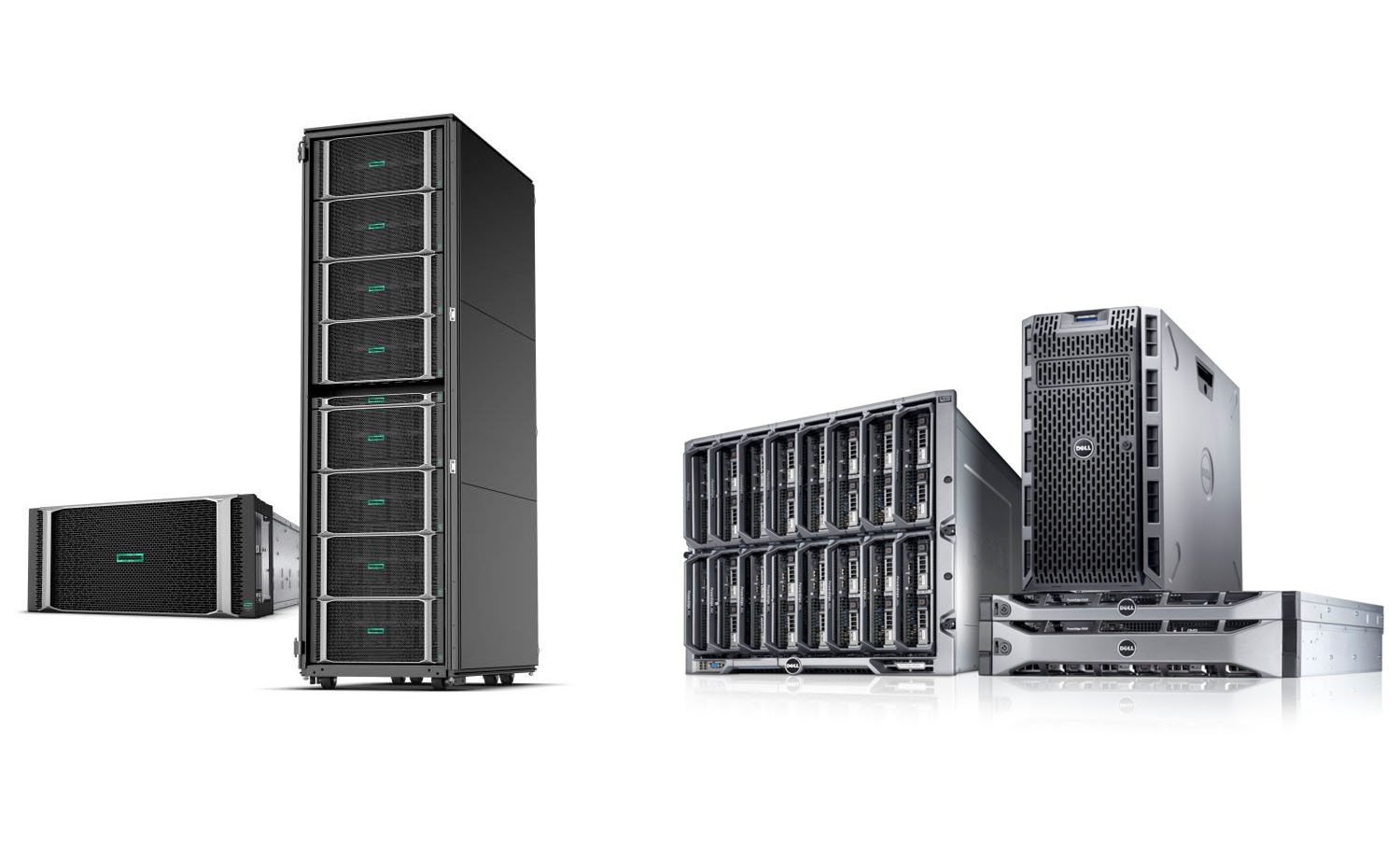
Both HPE ProLiant servers and Dell PowerEdge servers dominate the global server market. These enterprise servers power data centers, virtualization environments, cloud infrastructure, and mission-critical applications.
Understanding the differences between HPE vs Dell servers helps IT professionals choose the right hardware for performance, scalability, and reliability.
In this guide we compare Dell PowerEdge vs HPE ProLiant servers in performance, management tools, security, scalability, and overall enterprise value.
HPE vs Dell Servers: Market Overview
Both HPE and Dell are leading manufacturers of enterprise server hardware.
According to IDC market reports, Dell and HPE consistently lead the global server market in shipments and revenue.
Businesses choose these vendors because their server platforms provide:
- enterprise-grade reliability
- powerful processors
- scalable storage
- advanced server management tools
| Feature | Dell PowerEdge | HPE ProLiant |
|---|---|---|
| Performance | Excellent virtualization performance | Strong enterprise reliability |
| Security | Secure Boot & Lockdown Mode | Silicon Root of Trust |
| Management | iDRAC | iLO |
| Storage | Flexible NVMe configurations | Smart Array RAID |
Dell PowerEdge Servers Overview
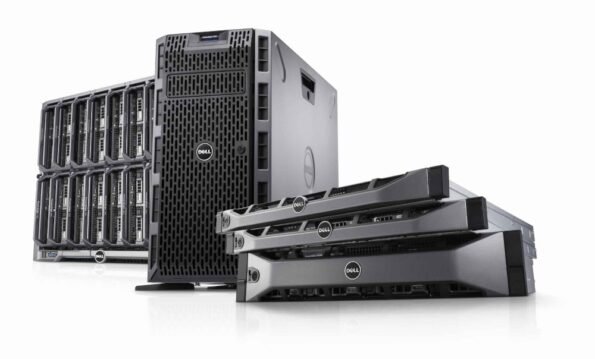
Dell PowerEdge servers are widely used across data centers and enterprise IT environments.
Popular models include:
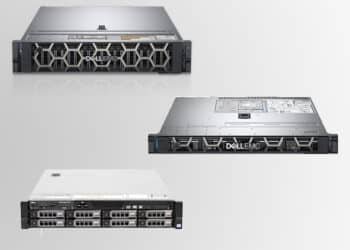
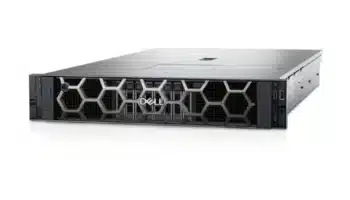
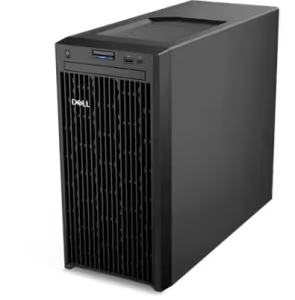
- Dell PowerEdge R650
- Dell PowerEdge R750
- Dell PowerEdge R760
These servers are known for:
- strong virtualization performance
- flexible hardware configuration
- high NVMe storage support
Many companies use Dell PowerEdge servers for virtualization clusters, database hosting, and cloud infrastructure.
HPE ProLiant Servers Overview
HPE ProLiant servers are also widely trusted in enterprise infrastructure.
Popular models include:
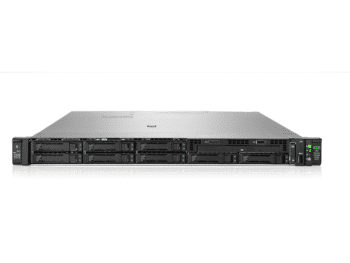
- HPE ProLiant DL360
- HPE ProLiant DL380
- HPE ProLiant ML350
HPE servers are known for their:
- advanced firmware security
- enterprise reliability
- intelligent system monitoring
Many organizations choose HPE ProLiant servers because of their strong security architecture.
HPE vs Dell Servers Performance Comparison
When comparing HPE vs Dell servers performance, both platforms support modern processors including:
- Intel Xeon Scalable processors
- AMD EPYC processors
These processors deliver high core counts and excellent multi-thread performance.
Dell PowerEdge Performance
Dell servers are particularly strong in:
- virtualization environments
- NVMe storage workloads
- high-density rack deployments
Dell servers often support large NVMe drive configurations, making them ideal for high-performance data processing.
HPE ProLiant Performance
HPE servers focus on:
- intelligent system optimization
- enterprise firmware control
- stable performance for long-running workloads
For large enterprises with strict infrastructure policies, HPE servers provide excellent reliability.
HPE vs Dell Servers Management Tools
Server management tools are critical for IT administrators managing large infrastructures.
Dell iDRAC
Dell PowerEdge servers include iDRAC (Integrated Dell Remote Access Controller).
Key features include:
- remote server monitoring
- remote console access
- hardware diagnostics
- firmware updates
HPE iLO
HPE servers include Integrated Lights-Out (iLO) management.
Key capabilities include:
- remote server access
- power management
- automated alerts
- hardware monitoring
Both HPE vs Dell servers provide excellent remote management tools for enterprise infrastructure.
HPE vs Dell Servers Security Features
Security is an important factor when choosing enterprise server hardware.
HPE Security
HPE servers include:
- Silicon Root of Trust
- firmware validation
- secure boot technology
These technologies protect servers from firmware attacks.
Dell Security
Dell PowerEdge servers include:
- secure boot
- system lockdown mode
- firmware verification
Both vendors provide strong enterprise security frameworks.
HPE vs Dell Servers Storage and Expansion
Enterprise workloads require flexible storage systems.
Both server platforms support:
- SAS enterprise drives
- SATA drives
- SSD drives
- NVMe storage
Dell servers often provide more flexible NVMe drive configurations.
HPE servers integrate well with HPE storage platforms and Smart Array controllers.
HPE vs Dell Servers Scalability
When comparing HPE vs Dell servers, scalability is another key factor.
Enterprise servers should support:
- additional memory upgrades
- extra storage drives
- PCIe expansion cards
- GPU accelerators
Both HPE and Dell servers support long-term infrastructure growth.
Which Is Better: HPE vs Dell Servers?
The choice between HPE vs Dell servers depends on your infrastructure needs.
Choose Dell servers if you want:
- strong virtualization performance
- flexible storage configurations
- competitive pricing
Choose HPE servers if you prioritize:
- advanced firmware security
- integrated enterprise monitoring
- highly reliable hardware platforms
Both vendors provide excellent enterprise-grade server hardware.
Conclusion
The debate between HPE vs Dell servers ultimately depends on business requirements, IT infrastructure design, and workload demands.
Both Dell PowerEdge servers and HPE ProLiant servers deliver powerful performance, enterprise reliability, and scalable infrastructure solutions.
By understanding the strengths of each platform, businesses can build efficient server environments capable of supporting modern applications, cloud platforms, and enterprise workloads.
Q: Which server is better, HPE or Dell?
Both HPE ProLiant and Dell PowerEdge servers provide enterprise performance, but Dell is often preferred for virtualization while HPE focuses more on security.
Q: Are Dell PowerEdge servers good for virtualization?
Yes, Dell PowerEdge servers are widely used in VMware and Hyper-V environments due to high CPU and memory scalability.
Q: What is the most popular enterprise server?
Dell PowerEdge R750 and HPE ProLiant DL380 are among the most widely used enterprise servers.