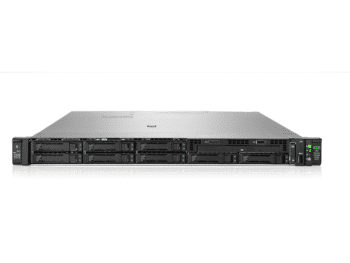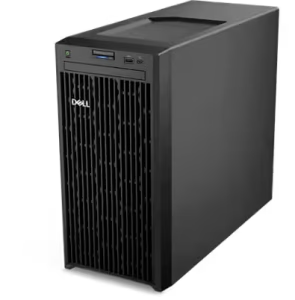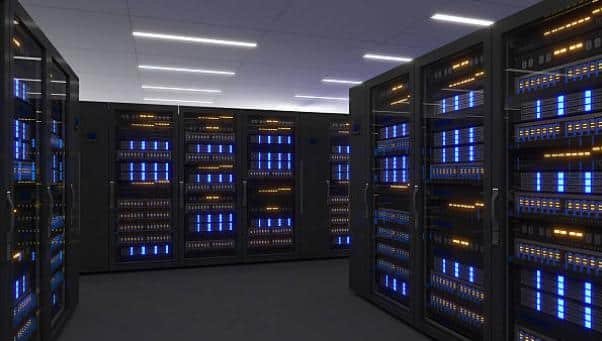
Best Rack servers are the backbone of modern IT infrastructure. From small businesses to large data centers, organizations rely on rack-mounted servers to run applications, store data, manage virtualization environments, and support cloud platforms.
Choosing the best rack server for small business or enterprise data centers requires careful evaluation of performance, scalability, storage capacity, and long-term reliability.
Today’s rack servers provide powerful processors, high memory capacity, flexible storage options, and advanced remote management tools. Popular models from manufacturers such as Dell, HPE, and Lenovo are widely used across enterprise environments worldwide.
In this guide, we explore the best rack servers for small businesses and data centers, helping IT professionals choose the right solution for their infrastructure.
What Is a Rack Server?
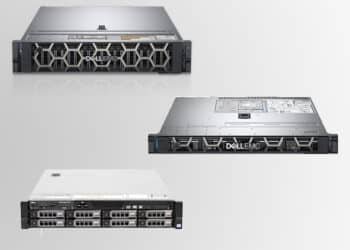
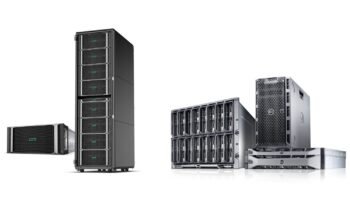
A rack server is a computer designed to be mounted inside a server rack cabinet. Unlike tower servers that resemble desktop computers, rack servers are designed for efficient space utilization and centralized infrastructure management.
Rack servers are typically measured in rack units (U).
Examples include:
- 1U servers – compact servers with limited expansion
- 2U servers – balanced performance and storage
- 4U servers – high capacity for storage and GPUs
Rack servers are commonly used in:
- enterprise data centers
- virtualization environments
- web hosting platforms
- cloud infrastructure
- enterprise storage systems
Benefits of Rack Servers
Rack servers provide several advantages compared to traditional tower servers.
Efficient Space Utilization
Rack servers allow organizations to stack multiple servers vertically in a rack cabinet. This maximizes computing power within limited data center space.
Scalability
IT teams can easily add additional servers to the rack when infrastructure needs grow.
Centralized Management
Rack servers are designed for centralized power distribution, cooling systems, and cable management.
High Performance
Enterprise rack servers support powerful processors such as Intel Xeon Scalable CPUs and AMD EPYC processors, making them ideal for demanding workloads.
Best Rack Servers for Small Business
Small businesses often need reliable servers for file storage, applications, and virtualization without investing in expensive enterprise infrastructure.
Below are some of the best rack servers for small businesses.
Dell PowerEdge R350
The Dell PowerEdge R350 is an excellent entry-level rack server designed for small organizations.
Key features include:
- Intel Xeon E processor
- up to 128GB RAM
- multiple storage drive options
- remote management via iDRAC
This server is ideal for:
- small office applications
- file servers
- backup systems
HPE ProLiant DL360 Gen11
The HPE ProLiant DL360 Gen11 is a compact 1U rack server offering powerful performance in a small footprint.
Features include:
- Intel Xeon Scalable processors
- high memory capacity
- NVMe storage support
- HPE iLO remote management
This server is commonly used for virtualization and enterprise applications.
Best Rack Servers for Data Centers
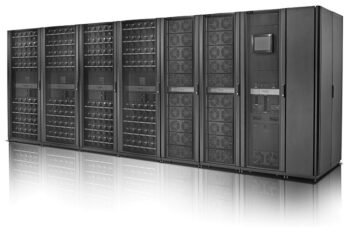
Large data centers require servers capable of handling high workloads, virtualization clusters, and massive storage environments.
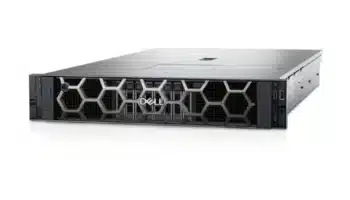
Dell PowerEdge R750
The Dell PowerEdge R750 is one of the most popular enterprise rack servers.
Key specifications include:
- Intel Xeon Scalable processors
- support for large memory capacity
- multiple NVMe storage drives
- high PCIe expansion capability
This server is widely used in enterprise virtualization environments and data centers.
HPE ProLiant DL380 Gen11
The HPE ProLiant DL380 Gen11 is one of the most trusted enterprise rack servers available today.
Key advantages include:
- powerful enterprise processors
- flexible storage configurations
- advanced firmware security
- scalable architecture
Many enterprises choose the DL380 server because of its reliability and flexibility.
Key Features to Consider When Choosing Rack Servers
Selecting the best rack server requires evaluating several important factors.
Processor Performance
Modern rack servers typically use:
- Intel Xeon Scalable processors
- AMD EPYC processors
High core counts improve virtualization performance and multi-threaded workloads.
Memory Capacity
Memory plays a critical role in server performance.
Typical recommendations:
- small businesses: 32–64GB RAM
- virtualization workloads: 128GB+
- enterprise environments: 256GB+
Servers with more memory allow organizations to run more virtual machines efficiently.
Storage Options
Modern rack servers support multiple storage technologies.
Common storage options include:
- SAS drives for reliability
- SSD drives for performance
- NVMe drives for extreme speed
Hybrid storage environments combining SSD and HDD drives are common in enterprise infrastructures.
Networking Capabilities
High-speed networking improves server performance and reduces latency.
Modern rack servers support networking speeds such as:
- 1Gb Ethernet
- 10Gb Ethernet
- 25Gb Ethernet
- 100Gb Ethernet
Fast networking is especially important for data centers and cloud infrastructure.
Rack Servers vs Tower Servers
Many businesses compare rack servers and tower servers before making purchasing decisions.
Rack Servers
Advantages:
- space efficient
- scalable
- ideal for data centers
Tower Servers
Advantages:
- lower cost
- easier installation
- suitable for small offices
Organizations expecting infrastructure growth usually prefer rack servers because of their scalability.
Rack Servers for Virtualization
Virtualization platforms such as VMware, Hyper-V, and Proxmox require servers with strong CPU performance and high memory capacity.
Rack servers such as:
- Dell PowerEdge R750
- HPE ProLiant DL380
are widely used in virtualization clusters.
These servers can run dozens of virtual machines efficiently.
Conclusion
Rack servers remain the foundation of modern IT infrastructure for both small businesses and large data centers. Their scalability, performance, and centralized management capabilities make them ideal for virtualization, enterprise applications, and cloud computing.
When choosing the best rack server, organizations should evaluate processor performance, memory capacity, storage options, and networking capabilities.
Servers such as the Dell PowerEdge R750 and HPE ProLiant DL380 offer excellent reliability and performance for enterprise workloads, while entry-level servers like the Dell PowerEdge R350 provide cost-effective solutions for small businesses.
By carefully selecting the right rack server, businesses can build reliable IT infrastructure that supports long-term growth and modern digital workloads.