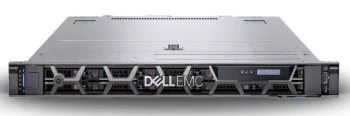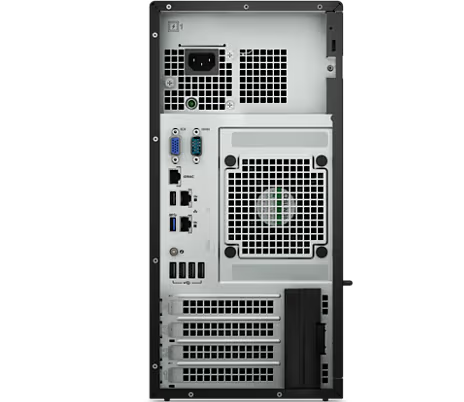
Introduction to Dell and HP Server Hardware
Brand Reputation in Enterprise IT
When businesses in Dubai or anywhere globally start comparing Dell vs HP server parts, they’re not just picking a brand—they’re choosing a long-term IT partner. Both Dell and Hewlett Packard Enterprise (HPE) have built their reputations on reliability, performance, and innovation. But when longevity becomes the deciding factor, the comparison gets more interesting.
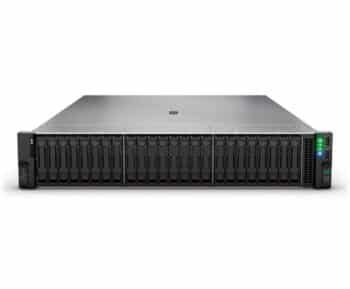
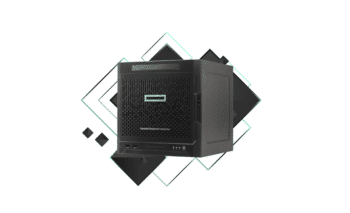
Dell’s PowerEdge servers are often praised for their simplicity, consistent performance, and strong global support network. On the flip side, HP’s ProLiant servers are known for their flexibility, advanced features, and enterprise-grade engineering. Both brands have decades of experience, and both are trusted by industries where downtime simply isn’t an option—think banking, aviation, healthcare, and large-scale e-commerce platforms in the UAE.
What makes this comparison tricky is that both brands are excellent. You’re not choosing between good and bad—you’re choosing between two high-performance ecosystems. The real question is: which one holds up better over time when pushed to its limits?
Dell vs HP Server Parts , Market Share and Industry Trust
Dell and HPE consistently dominate the global server market. Recent industry reports show that both brands together hold a significant share of enterprise server deployments, often alternating positions as market leaders. This level of competition ensures continuous improvement in product quality, firmware updates, and hardware durability.
In the UAE market, especially in Dubai, Dell tends to have a slight edge in availability and faster supply chain access, particularly for replacement parts like motherboards, RAID controllers, and power supplies. HP, however, maintains strong adoption in enterprise environments that rely heavily on its integrated ecosystem.
Trust is built not just on performance but on how hardware behaves after years of continuous use. And that’s where longevity truly matters.
Understanding Server Longevity
What Determines Hardware Lifespan
Server longevity isn’t just about how long a component stays powered on—it’s about how long it performs reliably without degradation. A server part that lasts five years without issues is far more valuable than one that needs frequent replacements.
Several factors influence this lifespan, including component quality, circuit design, thermal efficiency, and firmware optimization. Dell and HP both use enterprise-grade materials, but their design philosophies differ slightly. Dell focuses heavily on simplified, efficient engineering, while HP leans toward feature-rich and flexible architectures.
Another critical factor is error management. Technologies like ECC memory, redundant power supplies, and intelligent monitoring systems help prevent failures before they occur. Both brands excel here, but the execution can vary depending on the model and generation.
Dell vs HP Server Parts , Role of Usage and Environment
Even the best hardware won’t survive poor conditions. In Dubai, where temperatures can be extreme, cooling and airflow play a massive role in determining server lifespan. Servers operating in well-managed data centers will naturally last longer than those in poorly ventilated rooms.
Workload intensity also matters. Servers handling AI processing, virtualization, or large databases experience more stress than those used for basic tasks. In such scenarios, the durability of components becomes a key differentiator between Dell and HP.
Build Quality Comparison: Dell vs HP
Materials and Manufacturing Standards
When it comes to build quality, Dell vs HP Server Parts both Dell and HP use high-grade components designed for enterprise environments. However, Dell often emphasizes minimalistic, efficient layouts, reducing unnecessary complexity. This can lead to fewer points of failure over time.
HP, on the other hand, tends to integrate more advanced features directly into its hardware. While this increases functionality, it can sometimes introduce additional complexity that may affect long-term maintenance.
Durability Testing and Certifications
Both brands conduct rigorous testing, including thermal stress tests, vibration tests, and continuous workload simulations. Dell’s approach often prioritizes long-term consistency, while HP focuses on performance under diverse configurations.
Performance Stability Over Time Dell vs HP Server Parts
Consistency Under Heavy Workloads
In real-world scenarios, Dell servers are often praised for their consistent performance over extended periods. They may not always have the most cutting-edge features, but they deliver steady results without unexpected issues.
HP servers, meanwhile, are known for their high performance and scalability, especially in complex environments. However, this can sometimes come at the cost of slightly higher maintenance requirements.
Thermal Management and Cooling Efficiency
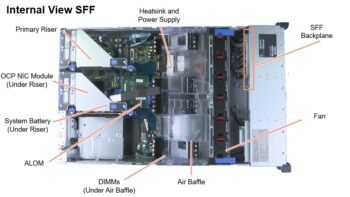
Thermal management is crucial for longevity. Dell’s server designs typically feature optimized airflow and simplified cooling paths, which help maintain stable temperatures.
HP also offers advanced cooling solutions, but their more complex designs can sometimes require more precise configuration and maintenance.
Firmware and Software Support
Dell vs HP Server Parts , Dell iDRAC vs HP iLO
Dell’s iDRAC and HP’s iLO (Integrated Lights-Out) are both powerful remote management tools. iDRAC is often considered more user-friendly, while iLO offers deeper customization options.
Updates and Long-Term Support
Dell is known for providing consistent and long-term firmware updates, which help extend the lifespan of server components. HP also offers strong support, but some advanced features may require additional licensing.
Availability of Spare Parts in Dubai and UAE
Dell Parts Availability
In Dubai, Dell server parts are widely available through multiple suppliers. This makes replacements faster and reduces downtime.
HP Parts Availability
HP parts are also available, but depending on the model, lead times can sometimes be longer compared to Dell.
Cost vs Longevity: Which Offers Better Value
Initial Investment vs Lifecycle Cost
| Brand | Initial Cost | Longevity | Maintenance |
|---|---|---|---|
| Dell | Moderate | High | Lower |
| HP | Slightly Higher | High | Moderate |
Maintenance and Replacement Costs
Dell often has lower maintenance costs over time, while HP may require more investment in support and licensing.
Real-World Use Cases and Industry Preferences
Which Brand Enterprises Prefer
Large enterprises often choose HP for complex, scalable environments, while many SMBs and mid-sized businesses prefer Dell for its simplicity and reliability.
SMB vs Enterprise Perspective
For smaller businesses in Dubai, Dell’s ease of use and availability make it a practical choice. Enterprises with advanced IT teams may benefit from HP’s flexibility.
Final Verdict: Dell or HP for Long-Term Reliability
If longevity is your top priority, Dell slightly edges out HP due to its consistent performance, simpler architecture, and better parts availability in markets like Dubai. HP remains a powerful option, especially for complex deployments, but may require more active management over time.
FAQs
1. Which server brand lasts longer, Dell or HP?
Both are durable, but Dell often has a slight advantage in long-term consistency and lower maintenance.
2. Are Dell server parts easier to find in Dubai?
Yes, Dell parts are generally more readily available across UAE suppliers.
3. Is HP better for enterprise environments?
HP is excellent for complex and scalable enterprise setups.
4. Which brand is more cost-effective long-term?
Dell typically offers better long-term value due to lower maintenance costs.
5. Do both brands offer good warranty support?
Yes, both Dell and HP provide strong warranty and support options.