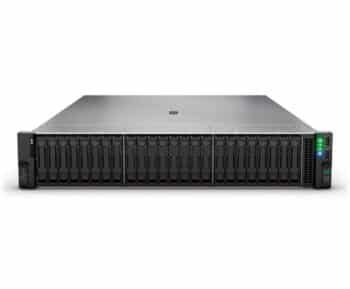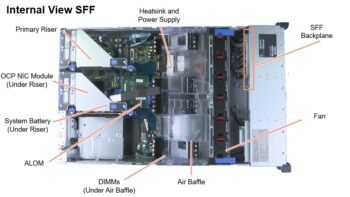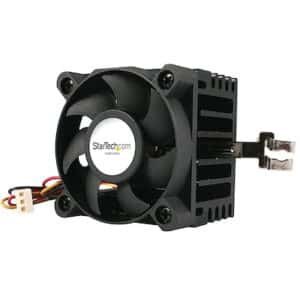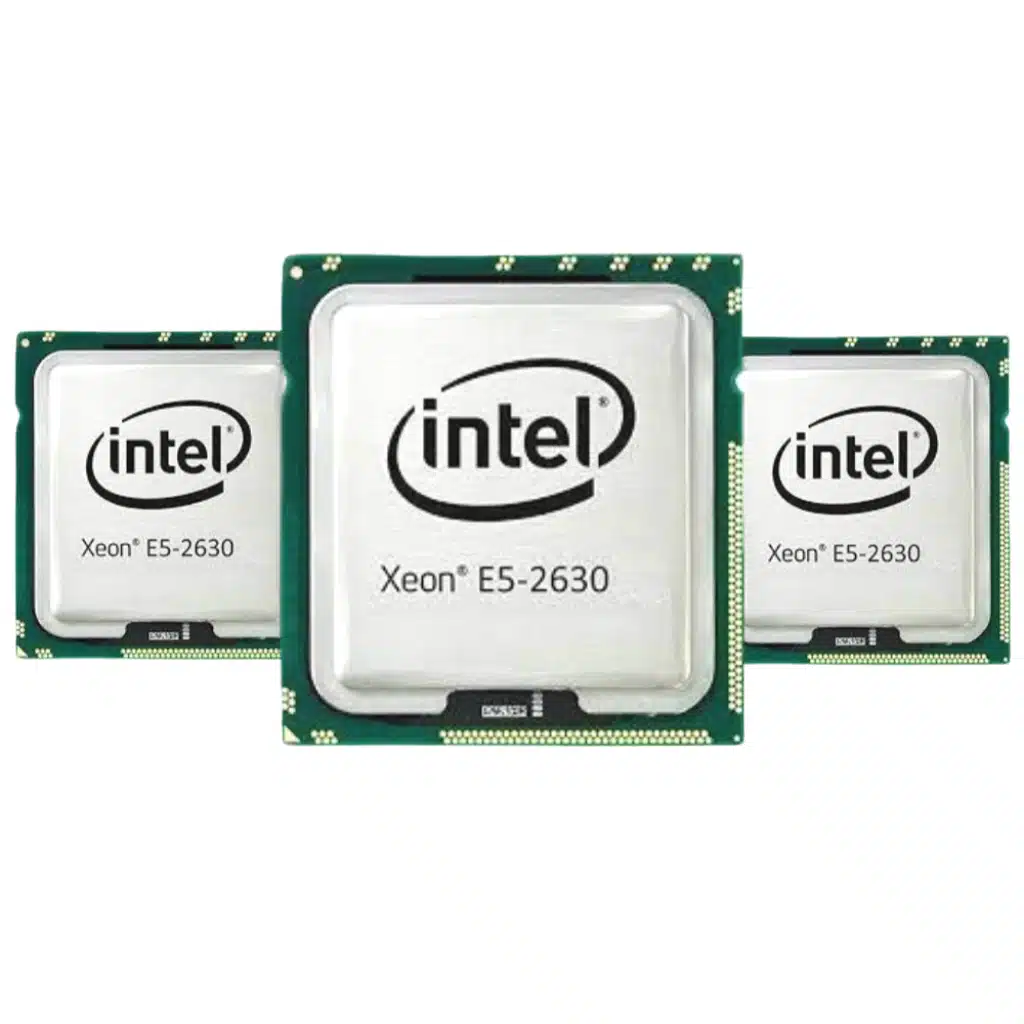
Choosing the right Server Processors UAE is one of the most important decisions in any server build or infrastructure upgrade. Whether you are planning a virtualization host, database server, storage platform, AI-ready system, or a general business server, the CPU affects performance, scalability, efficiency, memory support, and long-term platform value.
Today, most enterprise buyers comparing server processors in the UAE focus on two major families: Intel Xeon and AMD EPYC. Intel positions its current Xeon portfolio for data centers, servers, networking, edge, and AI workloads, while AMD positions EPYC across cloud, enterprise, HPC, and general server environments.
Why Server Processors UAE Matter
A server CPU does much more than basic computing. It determines how well a system can handle:
- Virtual machines
- Database workloads
- Enterprise applications
- Storage traffic
- AI and analytics tasks
- Networking and edge workloads
- Multi-user business operations
Processor choice also affects PCIe connectivity, memory bandwidth, core density, energy use, and compatibility with the target server platform. Intel highlights Xeon’s role across data center and AI environments, while AMD emphasizes EPYC’s scalability and broad workload coverage from entry-level servers to high-performance computing.
Intel Xeon Server Processors UAE
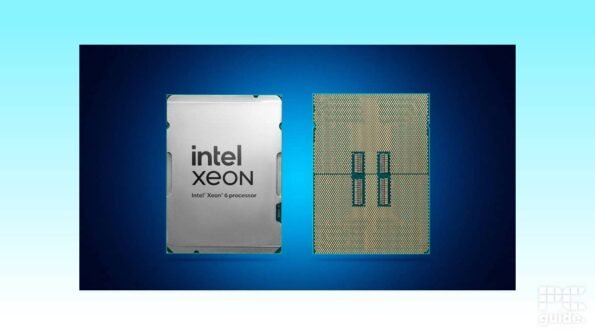
Intel Xeon remains one of the most recognized names in enterprise computing. Intel’s current Xeon portfolio includes Intel Xeon 6 for data center, server, networking, and edge deployments, and Intel says these processors are designed to deliver improved performance and efficiency across a wide range of workloads. Intel also continues to offer entry-server Xeon options through its Xeon E / 6300 series positioning for business-ready server solutions.
For businesses evaluating Intel Xeon in the UAE, Xeon is often chosen for:
Enterprise Virtualization
Xeon processors are widely used in virtualized server environments because they support scalable compute resources, enterprise platform features, and broad OEM ecosystem availability. Intel’s Xeon messaging specifically targets data center and server workloads, while some Xeon 6 variants are also positioned for networking and edge use cases.
Networking and Edge Applications
Intel offers dedicated messaging around Xeon 6 for networking and edge, including content focused on vRAN, AI-enabled security, and high-connectivity workloads. Intel also notes that some single-socket Xeon 6 configurations can provide up to 136 PCIe 5.0 lanes for storage-heavy or edge-oriented designs.
Server Processors UAE Storage and High-Speed I/O
Intel states that 5th Gen Xeon processors support up to 80 lanes of PCIe 5.0, which is useful for fast storage, high-bandwidth networking, and accelerator connectivity. This matters in servers that rely on NVMe storage, fast interconnects, or multiple add-in cards.
AMD EPYC Server Processors
AMD EPYC has become a major choice for businesses that want high core density, strong memory capacity, and excellent scalability. AMD’s official EPYC portfolio spans several classes, including entry-level server CPUs and large enterprise/data center processors. AMD says EPYC is used for workloads ranging from entry-level servers to high-performance computing.
For businesses searching for AMD server CPUs in the UAE, EPYC is often attractive for:
High Core Count Environments
AMD states that its EPYC 9005 series can scale up to 192 cores and 384 threads, with up to 160 PCIe 5.0 lanes and 12 DDR5-6000 memory channels in the series overview. That makes EPYC especially relevant for dense virtualization, cloud platforms, and heavy multi-threaded enterprise workloads.
Cloud and Virtualization Workloads
AMD markets EPYC 9005 as built for cloud deployments and says the top-end EPYC 9965 can support 192 cores. AMD also positions EPYC strongly for virtualized and cloud-scale environments where density and throughput are important.
Energy Efficiency and Throughput
AMD’s EPYC family is also positioned around performance-per-watt and large-scale efficiency. AMD states that EPYC processors power a wide range of workloads and highlights energy-efficiency benefits in its EPYC family messaging.
Intel Xeon vs AMD EPYC for UAE Businesses
When comparing Intel Xeon vs AMD EPYC, the best option depends on workload type, software stack, platform preference, and future expansion plans.
Choose Intel Xeon if you want:
- Strong OEM ecosystem familiarity
- Broad availability in enterprise server platforms
- Options tailored for networking, edge, and traditional enterprise environments
- Platform features aligned with Intel-based server ecosystems
Intel’s current Xeon portfolio is positioned across data center, AI, networking, and edge deployments, making it a strong choice for organizations standardizing on Intel infrastructure.
Choose AMD EPYC if you want:
- Higher core density in many configurations
- Strong scalability for virtualization and cloud
- Large PCIe lane counts
- Broad memory-channel support for data-heavy workloads
AMD’s official EPYC overview highlights up to 192 cores, up to 160 PCIe 5.0 lanes, and large DDR5 memory bandwidth capabilities in its latest family overview.
Key Things to Check Before Buying a Server Processor
Buying the right server processor in the UAE is not just about selecting Intel or AMD. It is also important to evaluate the surrounding server platform.
1. Workload Type
A database server, virtualization node, storage appliance, and AI system may all need different CPU characteristics. Some workloads benefit more from high core counts, while others depend on strong per-core performance or platform-specific acceleration.
2. Socket and Platform Compatibility
Processors must match the exact server motherboard, chipset, firmware generation, and supported CPU family. This is especially important when upgrading existing rack servers or tower servers.
3. PCIe Lane Requirements
PCIe lane count matters if the server will host NVMe drives, network cards, RAID or HBA controllers, or accelerators. Intel and AMD both emphasize PCIe 5.0 support in modern server CPU platforms, but the exact lane count varies by product family and socket design.
4. Memory Capacity and Channels
Memory bandwidth becomes very important in virtualization, analytics, in-memory workloads, and data-intensive applications. AMD’s EPYC 9005 overview cites 12 DDR5-6000 memory channels, while Intel positions Xeon 6 as a platform for broad performance and efficiency across demanding workloads.
5. Power and Cooling
A more powerful CPU may require a server chassis with better thermal design, stronger power delivery, and validated cooling. This is especially important for dense rack deployments and high-performance workloads.
Best Use Cases for Intel Xeon and AMD CPUs
Virtualization Server Processors UAE
AMD EPYC is often attractive for virtualization because of high core counts and large platform connectivity, while Intel Xeon remains a strong choice in established enterprise environments with Intel-based server standards.
Database Servers
Database workloads may benefit from a balance of core count, cache, memory performance, and I/O. The right choice depends on whether the application scales best with more cores or stronger per-core behavior.
Storage Servers
Storage-heavy systems benefit from strong PCIe connectivity and platform compatibility with NVMe, RAID, and networking devices. Intel highlights PCIe 5.0 connectivity in Xeon, while AMD highlights high PCIe lane counts in EPYC platforms.
Cloud and Multi-Tenant Infrastructure
AMD heavily positions EPYC for cloud-scale infrastructure, while Intel positions Xeon 6 for scalable data center and AI workloads. Both are viable, but platform design and software requirements should guide the decision.
Why Businesses Search for Server Processors UAE
Businesses in Dubai and across the UAE often search for Intel Xeon and AMD CPUs when they need to:
- Upgrade existing rack servers
- Replace failed processors in supported systems
- Build virtualization hosts
- Expand storage or compute infrastructure
- Improve workload performance
- Standardize enterprise hardware
In practice, the right CPU is not simply the one with the highest number of cores. It is the processor that best matches your business workload, server platform, and growth plan.
Final Thoughts
The market for server processors in the UAE is centered around two major enterprise platforms: Intel Xeon and AMD EPYC. Intel’s current Xeon family is positioned for servers, data center, AI, networking, and edge, while AMD’s EPYC lineup emphasizes broad workload support, high core counts, strong memory bandwidth, and large PCIe connectivity.
For businesses planning an upgrade, the best approach is to evaluate the full server design: CPU family, socket compatibility, memory requirements, PCIe expansion, storage needs, cooling, and future scalability. That leads to a better long-term result than choosing a processor on brand name alone.
Are server CPUs different from desktop CPUs?
Yes. Server CPUs, like Intel Xeon or AMD EPYC, are optimized for continuous workloads, reliability, and server-specific features.
Do you stock both Intel Xeon and AMD EPYC processors in Dubai?
Yes. We offer both Intel and AMD server processors compatible with Dell, HP, and Cisco servers.
Can I upgrade my old server CPU?
It depends on the motherboard and server model. Always confirm compatibility before purchasing.
Are these processors covered by warranty?
Yes. All server CPUs purchased from ServerPartss.com come with warranty coverage.